 11
11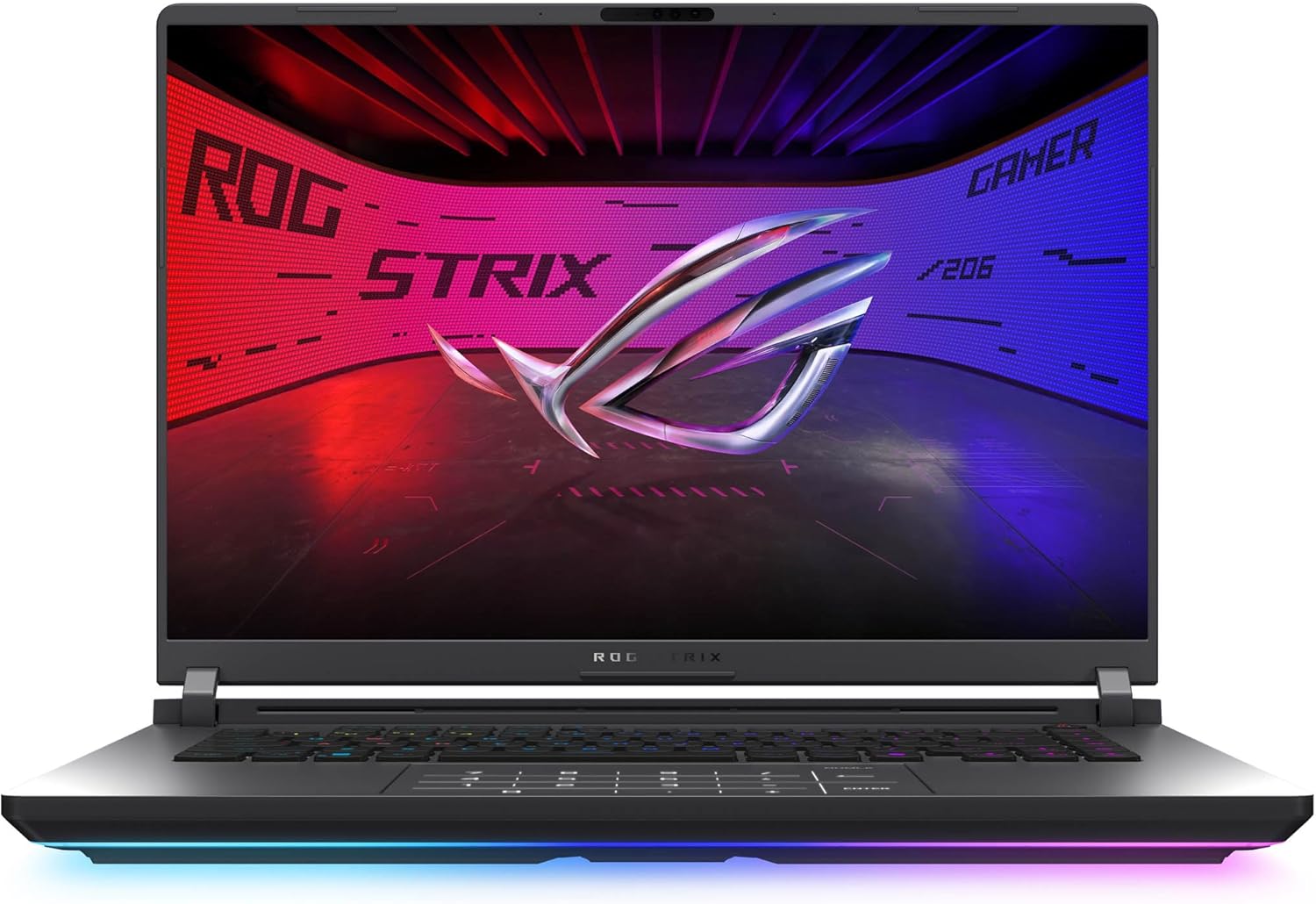
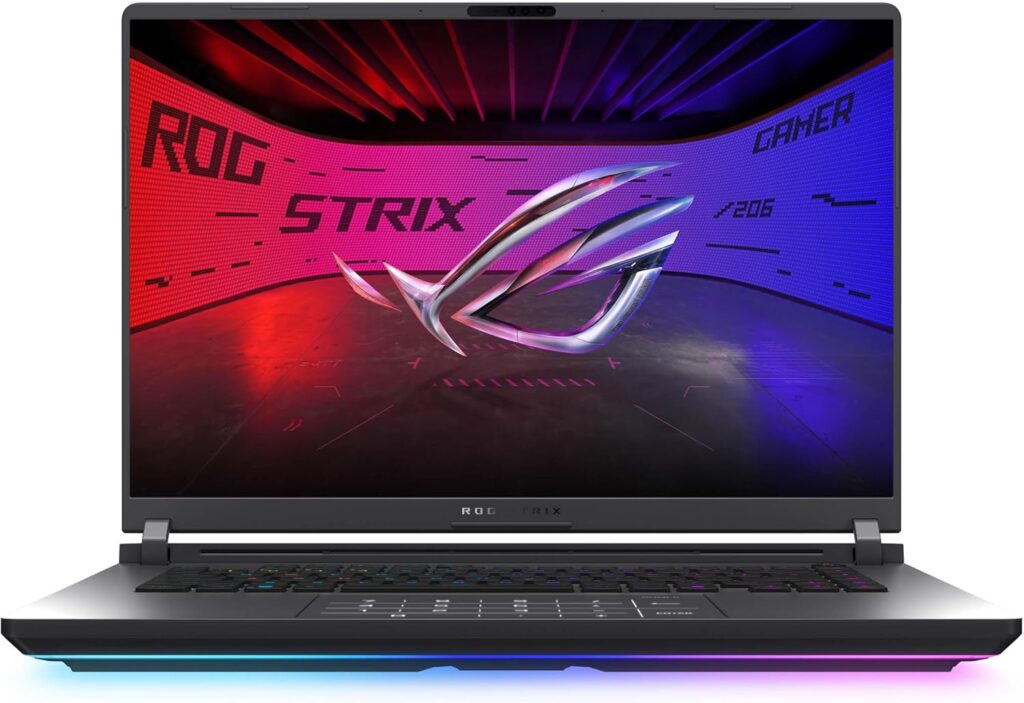
Modern gaming laptops are no longer just portable alternatives to desktop PCs—they are powerful computing systems capable of handling demanding workloads across gaming, content creation, and professional applications. The ASUS ROG Strix G16 (2025) represents a new generation of performance-focused laptops, integrating advanced processing technologies, high-refresh displays, and next-level connectivity.
This article provides a comprehensive and informational overview of the system’s architecture, design, and functional capabilities. It focuses on explaining how the hardware components work together and what types of workloads this configuration is designed to support.
The ASUS ROG (Republic of Gamers) Strix G16 follows a design philosophy centered on performance, durability, and visual identity. The chassis integrates both functional and aesthetic elements, reflecting its position in the high-performance gaming category.
The design is not purely aesthetic; it supports airflow management and thermal efficiency, which are essential for high-performance components operating under load.
At the core of the system is the Intel Core Ultra 9 275HX, a next-generation processor designed for high-performance mobile computing.
This processor is engineered for:
The inclusion of AI-focused processing reflects a broader trend in computing, where workloads increasingly leverage machine learning and automation.
Graphics performance is powered by the NVIDIA GeForce RTX 5080 Laptop GPU, representing a high-end tier in modern mobile graphics.
The GPU is central to both gaming and professional workloads, particularly those requiring intensive graphical computation.
The laptop features a 16-inch ROG Nebula display with a 16:10 aspect ratio, designed to balance visual clarity and responsiveness.
This type of display supports both immersive gaming and professional workflows that require precision and visual accuracy.
The system includes 32GB of DDR5 memory, aligning with modern high-performance standards.
The memory capacity ensures smooth operation across diverse workloads without bottlenecks.
Storage is handled by a 1TB PCIe Gen 4 SSD, offering high-speed data access and reliable performance.
PCIe Gen 4 technology significantly improves throughput compared to previous generations, enhancing overall system responsiveness.
The ASUS ROG Strix G16 integrates advanced connectivity options, including support for Wi-Fi 7.
Wi-Fi 7 represents the next step in wireless networking, offering enhanced bandwidth and efficiency.
High-performance laptops require advanced cooling solutions to maintain stable operation.
Thermal efficiency is a critical factor in sustaining high performance, especially during prolonged intensive tasks.
The laptop features a customizable RGB keyboard designed for both gaming and productivity.
The keyboard contributes significantly to the overall user experience, particularly during extended sessions.
The system runs on Windows 11 Home, providing a modern software environment.
Windows 11 is designed to take advantage of modern hardware, ensuring compatibility and efficiency.
The ASUS ROG Strix G16 (2025) is designed to support a wide range of demanding applications.
The combination of CPU, GPU, RAM, and storage ensures balanced performance across these scenarios.
Despite its high-performance components, the laptop maintains a portable form factor.
This balance makes it suitable for users who require both mobility and performance.
The system integrates several forward-looking features that align with current and emerging trends.
These technologies position the system for compatibility with future software and applications.
Supports fast-paced environments with high refresh rates and responsive controls.
Handles demanding workflows such as editing, rendering, and design.
Combines entertainment and productivity in a single device.
Suitable for development, simulation, and data-intensive applications.
The ASUS ROG Strix G16 (2025) gaming laptop represents a convergence of advanced computing technologies within a portable platform. By integrating a next-generation processor, high-end graphics, fast memory, and high-speed storage, it provides a system capable of handling modern workloads across multiple domains.
Its high-refresh display, advanced connectivity, and efficient cooling system contribute to a balanced and capable computing environment. As the demands of gaming, content creation, and professional applications continue to evolve, systems like this illustrate how mobile computing platforms are adapting to deliver increasingly powerful and versatile performance.