 11
11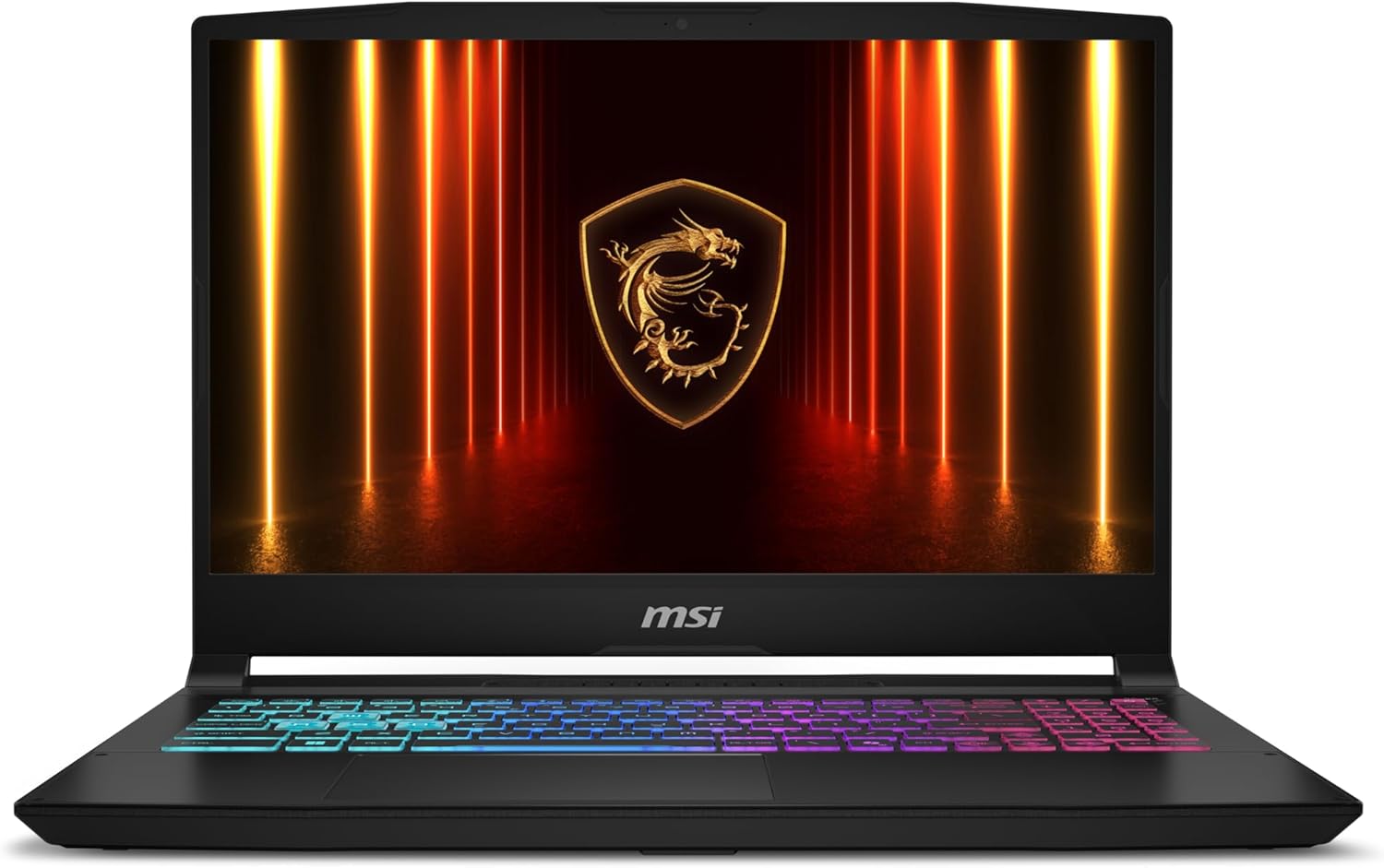
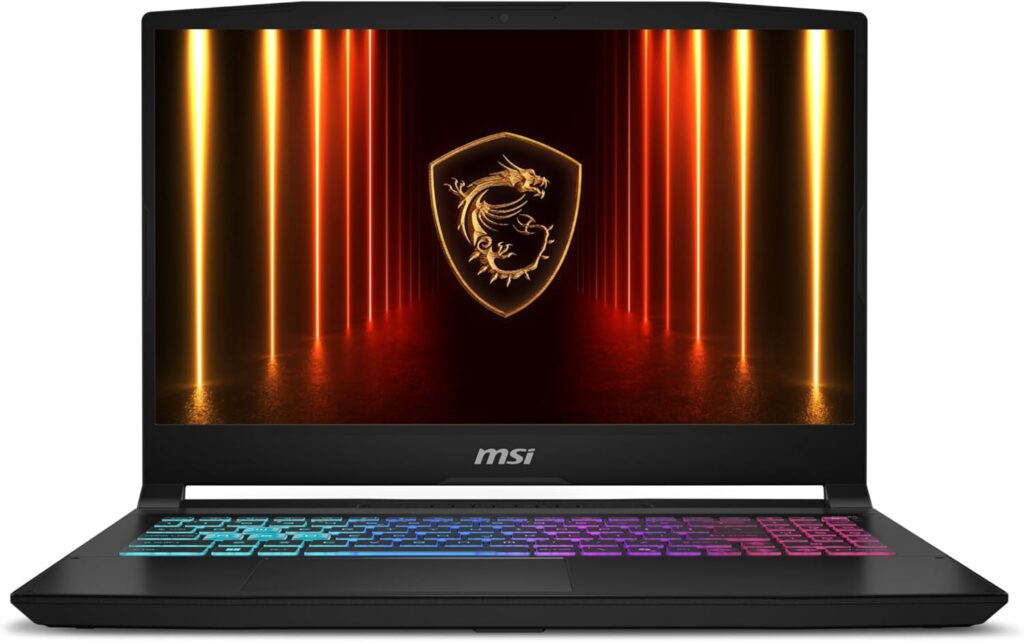
Gaming laptops have evolved significantly, blending desktop-level performance with portability. The MSI Katana 15 HX (B14WGK-016US) represents a modern approach to high-performance mobile computing, combining advanced processing power, next-generation graphics, and fast memory technologies in a compact 15.6-inch form factor.
This article provides a detailed, informational breakdown of the system’s architecture, features, and real-world applications. Rather than focusing on opinions or recommendations, it explains how each component contributes to overall performance and where this type of system fits in today’s computing ecosystem.
The MSI Katana 15 HX is designed as a portable performance machine, balancing power with mobility. Its 15.6-inch chassis allows it to remain relatively compact compared to larger gaming laptops while still accommodating high-end components.
The design prioritizes functionality, ensuring sufficient internal space for cooling and airflow while maintaining a form factor suitable for transport.
At the core of the system is the Intel Core i9-14900HX, a high-performance mobile processor based on Intel’s hybrid architecture.
This processor is built to handle:
The hybrid architecture allows the system to balance performance and efficiency, allocating resources dynamically depending on the workload.
Graphics processing is powered by the NVIDIA GeForce RTX 5070 Laptop GPU, part of NVIDIA’s newer generation of GPUs.
The GPU plays a central role in both gaming and professional workloads, particularly where visual processing is critical.
The system features a 15.6-inch QHD+ display with a 165Hz refresh rate, offering a balance between resolution and smoothness.
This combination supports both immersive visual experiences and responsive interaction, especially in dynamic environments.
The laptop includes 32GB of DDR5 memory, representing the latest generation of system RAM.
A 32GB configuration provides substantial headroom for both current and future software demands.
Storage is provided by a 1TB NVMe SSD, utilizing high-speed PCIe technology.
The capacity and speed combination ensures a responsive system experience across different workloads.
High-performance components generate significant heat, making thermal management essential.
Efficient cooling is particularly important in laptops, where space constraints make heat management more challenging than in desktops.
The MSI Katana 15 HX includes a 4-zone RGB keyboard, designed for both functionality and customization.
The keyboard plays a crucial role in user interaction, especially for extended sessions involving typing or gaming.
The system runs on Windows 11 Home, providing compatibility with modern applications and features.
Windows 11 is optimized for newer hardware, ensuring efficient utilization of CPU and GPU resources.
Modern laptops must support a wide range of connectivity options.
These features enable the laptop to function as both a standalone device and part of a larger workstation setup.
The MSI Katana 15 HX is designed to handle a broad spectrum of demanding tasks.
According to technical descriptions, the system combines “computational power and fluid graphical performance” for modern workloads .
Gaming laptops often involve trade-offs between performance and mobility.
This system is designed for users who need performance on the move without fully sacrificing portability.
The hardware configuration reflects modern trends in computing:
These features align with current and emerging software requirements, helping extend the system’s usability over time.
Supports immersive experiences with high refresh rates and detailed visuals.
Handles demanding applications such as video editing and 3D modeling.
Combines productivity and entertainment in a single device.
Suitable for compiling, virtualization, and complex software environments.
The MSI Katana 15 HX gaming laptop represents a convergence of modern computing technologies within a portable form factor. By integrating a high-core-count processor, advanced GPU architecture, fast memory, and high-speed storage, it provides a platform capable of handling diverse and demanding workloads.
Its design emphasizes both performance and usability, while features such as a high-refresh display and advanced cooling system contribute to overall system efficiency. As computing demands continue to evolve, systems like this illustrate how mobile platforms are increasingly capable of delivering desktop-class performance in a compact format.